A critical cleaning guide for ensuring food safety
A clean environment provides peace of mind and suggests that a cleaning programme is in place, which is essential for gaining and retaining the trust and continuous support of clients and stakeholders in the food supply industry. Cleaning is the very first step in any food safety programme and is critical for protecting consumers.
A collective responsibility – from the farm to the retailer’s fridge
All participants in the food supply chain need to work together to ensure food safety, from the farm to the retailer’s fridge. It is a long chain of events where safety can be compromised. There are many first-world examples where food has caused sickness and even death, reiterating that food safety is undeniably complex and encompasses multiple participants and processes that need to be meticulously managed.
The following information will guide suppliers in the food supply chain when needing to assess and select a cleaning company to support their efforts in food safety.
1. Cleaning food processing environments
There are three levels of cleaning in food processing environments that are critical to food safety.
- Cleaning constitutes the visual aspect that involves removing dirt from a surface (oils, fats, spills, waste, etc.);
- Disinfection involves keeping the micro-organism levels in the environment to below harmful numbers; and
- Sanitisation is the process of removing all micro-organisms from an environment, as would be required in a hospital operating theatre, for example. Sanitisation is not practical, it is expensive to maintain and can be detrimental to people’s long-term health.
2. The ugly truth about bacteria in food safety
Companies go to great lengths and expense to minimise bacteria in their food processing environments. However, it is widely recognised that maintaining a completely sterile environment contributes to resistant bacteria and super bugs. The daily exposure to safe levels of bacteria help people to stay healthy and ensure that our bodies remain equipped to fight off infection. For this reason, food processing facilities concentrate on maintaining a clean environment that is monitored regularly to ensure acceptable levels of micro-organisms.
There are multiple factors that influence the speed at which bacteria multiplies in food processing environments. The safety of dry, frozen and chilled food items is influenced by various environmental conditions extending from exposure to moisture, through fluctuating temperatures, to dust, dirt and more. Since bacteria attaches itself to dirt, a preventative approach that focuses on effective cleaning everywhere, thoroughly and regularly supports food safety. Disinfection is an important part of the process, but with lower frequency to strike a good balance between cleanliness and acceptable bacteria levels. These levels are confirmed with weekly audits and analysis of the various areas and components within the environment according to a master cleaning schedule.
3. Critical control points – being savvy about hazards
It is important to have appropriate food safety management procedures in place that are based on the principles of Hazard Analysis and Critical Control Point (HACCP). This requires:
- Identifying potential risks to food safety in the business;
- Identifying critical control points to remove or reduce those risks;
- Deciding on appropriate remedial actions;
- Confirming that proposed procedures are effective and followed correctly;
- Maintaining records to identify trends or opportunities to improve.
Establishing critical control points requires an investigative approach to the environment and visibly assesses and identifies possible risks to food safety. These points could include the tops and bottoms of food preparation surface areas, equipment, machinery, chillers and freezer rooms, as well as non-food contact surfaces such as walls, lights, floors, air-conditioner units, controls and fixtures, to name some. The drainage system is another good example of a non-contact area. Drains are high germ catchment areas as most food processing environments are designed to be wet washed from the ceilings, to the walls and floors. Residue collects at the drain and provides a conducive environment for bacteria that needs regular cleaning and disinfection, which involves loosening and removing dirt and bacteria from the drainage system.
4. The importance of clean air in food processing
Centralised air-conditioning systems will easily distribute bacteria across an environment, highlighting the importance of managing the extraction system in food production areas effectively to ensure quality air and to isolate and limit any potential cross contamination. Monitoring air quality is specialised work that falls under the management of the plant and equipment at a food production facility. However, proper surface cleaning of the air-conditioning unit, the filters, pipes and any controls would contribute to a clean and safe food processing environment.
5. The A, B, Cs of critical cleaning
The process of cleaning directly impacts on food safety and involves standard processes that are detailed in the master cleaning schedule.
- Step 1: Clean – Get rid of as much of the physical dirt as possible by flushing or sweeping
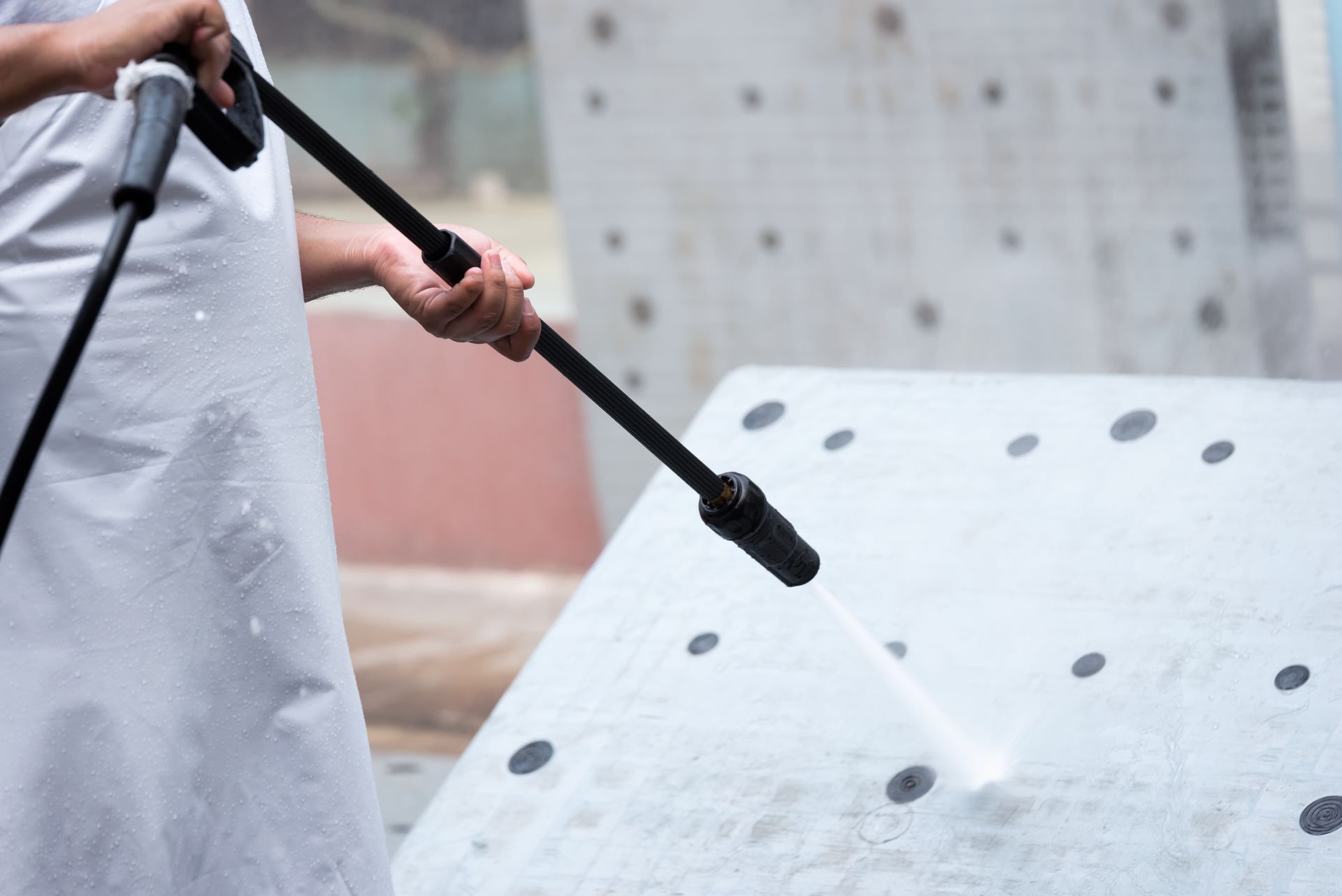
- Step 2: Wash – Wash with water and the right chemicals using the correct application and cleaning technique to loosen the dirt. The type of dirt will influence the temperature of the water and the mechanical action required, for example, whether high pressure, steam cleaning, physical or mechanical scrubbing is needed.
- Step 3: Rinse – Rinse correctly, depending on the surface to remove the detergents.
- Step 4: Dry – Drying can be a physical step, a mechanical step using industrial machines that automatically include drying, or air-drying can be applied depending on the use and time factors. Bowls used on airlines for example, are washed in industrial machines that include a drying step to speed up the process.
- Step 5: Sanitize – This is an important step that, if required, would be detailed in the master cleaning schedule. The level of sanitisation depends on the surface area, and whether it comes in contact with food. High contact areas, such as chopping boards, must be sanitised after every clean.
- Step 6: Inspect – There are two types of inspection, a quick visual inspection and an audit process that involves a more detailed, checklist activity to ensure the quality of the clean and to ascertain the bacterial levels.
6. Know your dirt and how to effectively apply the four fundamentals of cleaning
Temperature, technique, chemicals and time
There are many types of soils or dirt that are generated in food processing plants, including carbohydrates, proteins and fats; petroleum, lubricants or greases used in the food processing equipment; as well as salts, metallic deposits such as rust; and food residue, for example.
The four fundamentals of cleaning need to be applied correctly and consistently, depending on the type of dirt and its alkaline levels to ensure safe and effective cleaning in a food processing environment. These fundamentals are temperature, cleaning technique, chemicals and time.
The type of dirt dictates the temperature needed, the cleaning technique, the type of detergent and the time needed to effectively agitate and dislodge the dirt. A detailed master schedule and effective staff training are critical for ensuring that these fundamentals are applied correctly and consistently.
7. Know your chemicals
Not all chemicals are safe or suitable for food processing environments. Cleaning companies need to have trusting relationships with their suppliers to ensure that they stay abreast of chemical certifications and safety information of the cleaning detergents to ensure the correct application in food processing plants. The accidental use of an incorrect chemical could result in devastating consequences for the client, including loss of business contracts with retailers or fast-food chains, expensive remedial actions and reputational damage.
Chemical manufacturers provide technical data sheets on the cleaning detergent, which includes important information that indicates:
- Certification: Whether the chemical is food grade. SABS approved chemicals are certified as being suitable for the food industry (SABS18-53 and SABS18-28);
- Instructions: Instructions on how to use the product, including the preparation and the dilution ratios, the recommended application techniques and minimum surface contact time, as well as the compatibility of the detergent with various surfaces;
- MSDS: The Material Safety Data Sheet (MSDS) provides the safety requirements and remedial actions in the case of spillage or ingestion.
8. Achieving precision cleaning with the right cleaning routine
A master cleaning schedule is a written protocol that details the cleaning routines necessary to support the hygiene requirements of all areas at a food processing facility. The schedule is compiled by the cleaning company in conjunction with the client and provides information on the total cleaning programme for the facility. The schedule is used as a tool to manage the cleaning teams on site and also contributes to staff training and assessments.
The master cleaning schedule details every area in the facility and indicates the cleaning times, the type of detergents required, the equipment needed to perform the cleaning task, the cleaning method to be applied, any applicable disinfection that may be required, and the assigned resources who are responsible for the cleaning task.
There are a number of factors that need to be considered when compiling the master cleaning schedule. Some of these are the type and size of the food production facility and whether it produces dry, frozen or chilled goods; the operating schedule of the plant and the operational shifts, which influences the cleaning times to ensure that effective cleaning can be done without interfering with operations; and the type of dirt that needs cleaning.
9. Cleaning protocols, employee training and performance monitoring
People are critical to the cleaning process and the biggest risk to food safety. The first breakdown in the food safety programme is normally due to negligence and sub-standard performance by the cleaning staff.
The correct training, management and monitoring of the cleaning teams is essential to food safety and a key differentiator between the players in the cleaning industry. Several tools ensure that quality services from a cleaning partner:
- Standard operating procedures (SOPs): The SOP details the standard cleaning protocol and procedures for specific cleaning tasks. It includes the details of the equipment, the chemicals, the personal protection equipment (PPE), as well as the recommended cleaning, disinfection and sanitisation techniques and the frequency to ensure that the cleaning is performed correctly and consistently by all the cleaning teams across client sites. Cleaning companies compile their own SOPs to ensure the delivery of standardised cleaning services.
- Master verification schedule: The master verification schedule validates that the cleaning team has performed all the cleaning task correctly, within the schedule and with the desired quality. The purpose of the master verification schedule is to ensure that the client expectations have been met and that the cleaning teams have accomplished their intended purpose.
- Master cleaning schedule: A master cleaning schedule is unique to each cleaning site and allocates the cleaning times, details and responsibilities to the cleaning teams per shift. It is a flexible document that changes according to the client’s requirements and the facility’s production schedule and is used to monitor activities and to keep individual staff accountable for specific tasks.
- Training matrix: The training matrix details the training requirements for the cleaning resources required on the site. It details every area in the building and identifies the type of resource required, the training needed to perform the tasks effectively, and the assessment details and frequency. Resources are assessed (either six monthly or annually) using a question and answer format to identify opportunities for further training, and to manage any performance issues.
- Monthly cleaning audits and reports: Food safety audits are conducted routinely by internal teams from the cleaning company in order to provide the necessary feedback to the client. However, retailers and fast-food chains appoint their own teams or external auditors to assess supplier facilities. Several audits can run simultaneously by various retailers at any given time and can amount to as many as 20 audits per year. Safety audits are an essential part of the FMCG (fast moving consumer goods) industry, and while it is a cumbersome process for the participants in the supply chain, it is vital for ensuring the safety of consumers.
Choosing the right cleaning partner
Maintaining hygiene standards with the right cleaning partner helps to support the production of safe, quality food. Clients should ensure that their cleaning partner complies with the criteria of ISO 22 000 and HACCP (Hazard analysis and critical control points) and that their standard operations include all the schedules and protocols to enable effective service delivery and management.
Many cleaning companies claim to render expert cleaning services to the food industry. Clients should always ensure that the company has a sound track record and experience in the cleaning requirements of the diverse environments and facilities involved in food processing, including:
- Food preparation and handling areas;
- Storage and distribution depots;
- Production and processing facilities; and
- Kitchen cooker hoods, canopies and extraction systems.
Some of the key differentiators in selecting a cleaning partner involve their commitment to on-going education, ensuring that the company stays up to date with the changes and developments of the industry. The supply of chemicals and equipment needs to be relevant and compliant to the requirements of food safety. Trusting relationships with cleaning teams, management staff and suppliers are critical to ensuring safe, effective and innovative cleaning services.
Performance guarantee – no contract required
At ACG Works, we are so confident about solving all your needs that we will do so without any long-term contract in place. If we let you down, you just let us go. This ensures that we will always work hard at keeping you happy.
See how quickly we can help you
We have the right teams to ensure food safety at your facilities. Contact us for fast assistance:
ACG Works enables confident and safe food supply.
Need professional cleaning services?
Get in touch with ACG Works today for a free, tailored quote.
Contact Us